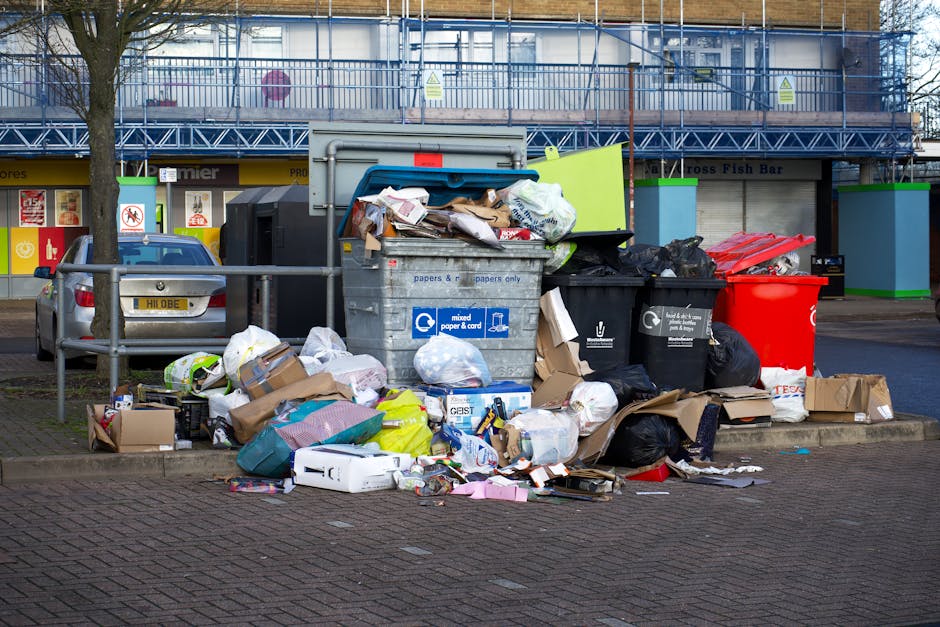
Plaistow High Street rubbish collection common problems and tips
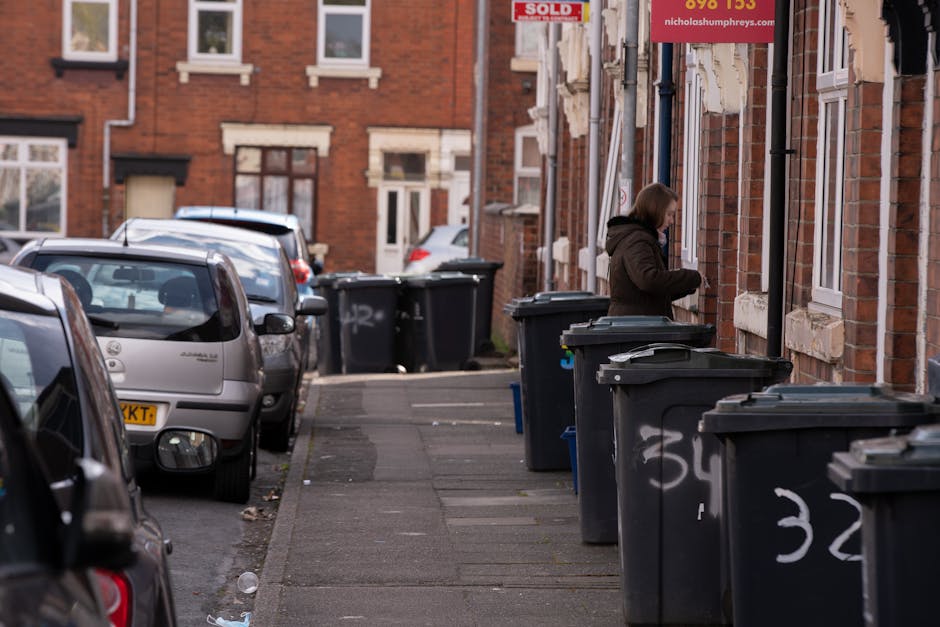
If you have ever tried to get rid of waste on a busy stretch like Plaistow High Street, you will know it is rarely as simple as putting bags out and waiting for a van to appear. Narrow pavements, parked cars, awkward loading points, missed collections, and the sheer unpredictability of day-to-day traffic can turn a routine rubbish job into a small headache very quickly. This guide to Plaistow High Street rubbish collection common problems and tips is here to make that process easier, safer, and far less frustrating.
Whether you are clearing household waste, handling shop rubbish, managing builder's debris, or simply trying to avoid overflow bins sitting around for too long, the same local pressures tend to show up again and again. Let's face it, High Street waste collection needs a bit more planning than people expect. In the sections below, you will find the common sticking points, practical fixes, and the most sensible ways to keep things moving without drama.
Why Plaistow High Street rubbish collection common problems and tips Matters
Waste collection on a busy high street affects more than just cleanliness. It touches access, safety, customer experience, local reputation, and even how smoothly a home renovation or shop refit runs. When rubbish is left too long, the area can start to look neglected. Bags split. Boxes blow about. Odours drift out on warmer days. Nobody wants that outside a business, flat, or shared entrance.
Plaistow High Street brings a few natural challenges into the mix. Traffic pauses are shorter than you would like. Parking is often tight. Loading safely can be awkward. And if you are working to a deadline, one missed collection can throw the whole schedule off. That is why understanding common problems and practical tips matters so much here: it helps you avoid delay before it becomes expensive, messy, or both.
There is also a broader point. Good waste handling supports recycling, reduces contamination, and keeps recyclable material from being mixed with general rubbish. That is one reason many people choose organised solutions like rubbish removal, domestic skip hire, or even waste recycling services when the job is bigger than the usual council-bin routine.
Expert summary: On Plaistow High Street, the best rubbish collection plan is usually the one that reduces handling, shortens loading time, and matches the waste type to the right removal method. Simple, but surprisingly easy to get wrong.
How Plaistow High Street rubbish collection common problems and tips Works
At a practical level, rubbish collection on a busy high street usually falls into one of three patterns: scheduled municipal collection, private removal, or container-based waste management such as skips. Each has different strengths. Each has different weak points. And on a street with regular footfall and vehicle movement, those differences really matter.
Scheduled collection works well for everyday household waste or business bins, but it can struggle when waste is bulky, piled too high, or placed in the wrong location. Missed lift points, overfilled containers, and mixed waste streams are common causes of delays. If the collection crew cannot access the waste safely and quickly, the job may be left for another round.
Private rubbish removal is often used when the load is awkward, urgent, or too large for standard bins. This is especially useful for one-off clearances, shop refits, or post-renovation waste. Services such as man and van and wait and load skip hire can be practical where a permanent container would be in the way.
Skips are useful when waste is produced over several days, such as during a home refurb or building project. Before booking, it helps to check skip sizes and prices and confirm whether you need a skip permit or a placement that keeps the load off the main carriageway. On a busy high street, that planning step is often where people save themselves the biggest hassle.
In practice, the work is about matching the waste, the access, and the timing. If those three line up, collection tends to be straightforward. If one of them slips, the whole thing gets clunky. You will notice that very quickly on a road with moving traffic and limited waiting space.
Key Benefits and Practical Advantages
A good rubbish collection setup gives you more than an empty pavement or cleared yard. It creates breathing room. It also reduces stress, which is no small thing when you are already juggling builders, customers, tenants, or delivery schedules.
- Cleaner frontage: A tidy entrance makes a far better impression on passers-by, customers, and neighbours.
- Lower risk of complaints: Overflowing bags and loose waste are the kind of thing that can irritate people quickly.
- Better handling of bulky items: Sofas, mattresses, appliances, and clearance waste are easier to deal with when the method matches the load.
- More efficient recycling: Segregating materials improves the chance that recyclable waste is handled properly.
- Less disruption: A planned collection avoids repeated loading, double-handling, and unnecessary time spent moving waste around.
For businesses in particular, there is a brand value element here too. A shopfront with waste stacked neatly away is simply easier to trust than one with broken packaging and bin liners spilling across the pavement. Small detail, but it matters.
Many people also find that structured removal helps them make decisions sooner. Once waste is grouped properly, it becomes easier to see what can be reused, what can be recycled, and what needs specialist disposal. That is where services such as what can go in a skip can be useful for planning.
Who This Is For and When It Makes Sense
This topic is relevant to a wider group than most people think. It is not just for builders or large businesses. In fact, many of the calls around rubbish collection problems come from ordinary, everyday situations.
You may need a better collection plan if you are:
- clearing out a flat, house, loft, or garage;
- running a retail unit, cafe, office, or small workshop;
- managing building or refurbishment waste;
- dealing with bulky household items after a move;
- clearing garden waste from a rear yard or shared space;
- handling regular commercial waste that is building up too quickly.
It also makes sense when timing matters. If you have tradespeople arriving early, a landlord inspection on the calendar, or a tenancy handover to complete, rubbish has a habit of getting in the way at exactly the wrong moment. Oddly enough, it is often the small jobs that cause the biggest disruption.
For heavier or larger projects, people often compare builders skip hire, grab hire services, and construction waste disposal. The right choice depends on how much waste you have, where it is stored, and whether the street access is genuinely workable.
Step-by-Step Guidance
If you want a cleaner, smoother rubbish collection process on Plaistow High Street, the simplest approach is to work backwards from the waste itself. What is it? How much of it is there? Where will it sit before collection? And how quickly does it need to go?
- Sort the waste by type. Keep general rubbish, recyclable materials, bulky items, and anything potentially hazardous separate from the start.
- Measure the volume roughly. You do not need engineering precision. Just be realistic about whether it is a few bags, a room clearance, or a bigger load.
- Check access. Look at vehicle access, parking restrictions, loading distance, and whether waste can be moved safely without blocking foot traffic.
- Choose the right removal method. A small load may suit a same-day collection; larger or slower jobs may suit a skip or wait-and-load option.
- Confirm restricted items. Some waste streams need special handling. Appliances, mattresses, confidential papers, and hazardous materials are common examples.
- Schedule at a realistic time. Morning collections can work well in busy streets, but only if the access is still practical.
- Prepare the waste at the point of collection. Keep the route clear, stack items safely, and avoid spreading the load across multiple spots.
If you are dealing with a time-sensitive job, same-day skip hire can sometimes be the simplest way to stop rubbish from taking over your space. Not every situation needs it, of course. But when it does, it can be a proper lifesaver.
One small but useful habit: keep a quick note of anything unusual, like blocked access, heavy items, or fragile flooring. It sounds minor until someone has to wheel a loaded bin over a threshold that was never meant for it. Then it matters a lot.
Expert Tips for Better Results
Here is the part that often saves the most time in the real world. Good rubbish collection is usually won or lost before the vehicle arrives. A few simple habits can make a huge difference.
- Place waste close to access, but not in the way. The ideal spot is easy to reach and easy to lift from. Not halfway down a corridor, not under a staircase, and not across an awkward squeeze point.
- Avoid mixed loads where possible. Cleaner sorting can reduce confusion and may improve recycling outcomes.
- Keep heavy items on top of sensible base material. Flat boards, cardboard layers, or a stable foundation can help with loading, especially for mixed household waste.
- Watch for hidden restricted materials. A bag of general rubbish can sometimes hide batteries, paint, cables, or sharp debris. That is where problems start.
- Use the smallest workable container. Too large and you may pay for unused space. Too small and you risk overflow. Annoying either way, frankly.
- Plan for rainy weather. Wet cardboard, soaked bags, and muddy access can make lifting slower and messier.
On the High Street, timing helps too. Early collections can sometimes avoid the worst of the pedestrian rush, while late-morning collection windows may be better if deliveries and school traffic have already eased. There is no single perfect time, but there is usually a better one.
If your waste is sensitive, valuable, or includes confidential paperwork, options like confidential shredding are worth considering. And if the job includes awkward appliances, fridge and appliance removal keeps you clear of the usual "where on earth does this go?" moment.
Common Mistakes to Avoid
Most rubbish collection problems are not mysterious. They come from ordinary little mistakes that build up. The good news is that almost all of them are preventable.
1. Leaving waste until the last minute
People often wait until the pile is already causing problems before they act. By then, access is worse, sorting is rushed, and the cheapest or neatest solution may no longer fit.
2. Assuming every item can go together
This is where trouble usually starts. Garden cuttings, old furniture, rubble, plasterboard, and electrical items do not all behave the same way in collection or disposal. If you are unsure, check before booking.
3. Blocking access points
It only takes one badly parked car, one narrow hallway, or one skip placed too close to the road edge to create a problem. On Plaistow High Street, access is everything.
4. Choosing the wrong service for the job
A service that works well for household rubbish may not suit construction debris. Likewise, a skip that is perfect for a weekend clear-out may be awkward for a rapid shop clearance. Matching the method matters.
5. Ignoring permit or placement needs
Some waste setups require extra planning, especially if anything goes on a public road or near shared access. Checking skip hire permits and skip hire details early can save a surprising amount of stress.
6. Overfilling containers
Once waste rises above a safe loading level, collection can become difficult or even unsafe. It also creates a sloppy look, and nobody enjoys that.
Tools, Resources and Recommendations
You do not need a warehouse full of equipment to manage rubbish well, but a few simple tools make life easier.
- Heavy-duty bin bags for lightweight general waste and mixed clear-outs.
- Stacking crates or boxes for books, files, and smaller loose items.
- Gloves and sturdy footwear for handling sharp or awkward waste.
- Label tape or marker pens to separate recyclable, reusable, and general waste.
- A tape measure or rough measurement app to estimate volume before booking a skip or van collection.
- Tie wrap or rope for keeping loose materials together on windy days.
For planning, a couple of site pages are especially useful. If you are comparing disposal routes, pricing and quotes can help you think through budget and load size without jumping too quickly. If you want to understand the operator's wider approach, recycling and sustainability is a sensible page to review as well.
For larger property clearances, especially where access is tight or the waste is spread across multiple rooms, house clearance, garage and loft clearance, and site clearance can be more practical than trying to piece everything together yourself.
Law, Compliance, Standards, or Best Practice
Waste handling in the UK comes with responsibilities, even when the job feels small. You do not need to become a legal expert to do it well, but you do need to stay sensible and cautious. That means knowing what can be collected together, what needs specialist treatment, and what should never be left in a general load.
A few best-practice points stand out:
- Do not mix hazardous items with general rubbish. Paints, chemicals, oils, and certain electrical or sharp items may require separate handling.
- Keep waste secure. Loose material can blow, spill, or create trip risks, especially in exposed street-level areas.
- Protect public access. On a busy high street, waste should never create an unsafe obstruction for pedestrians, wheelchair users, or vehicles.
- Use appropriate containers and loading methods. Overfilled or unstable waste can become unsafe very quickly.
- Ask about disposal routes. Responsible operators should be able to explain how different waste is handled.
For business settings, there is also a privacy angle. Paper records, hardware, and office equipment should be dealt with carefully. That is where services such as office clearance and commercial skip hire may be more appropriate than an improvised solution.
And if you are in a situation involving heavy construction waste, it is worth taking a slightly more formal approach. Services like builders waste removal, construction waste clearance, and demolition waste removal exist for a reason: the waste is different, the risks are different, and the handling needs to be different too.
Options, Methods, or Comparison Table
Choosing the right method is often the difference between a clean, efficient job and a frustrating one. Here is a simple comparison to help you decide.
| Method | Best for | Strengths | Possible drawbacks | |
|---|---|---|---|---|
| Regular bin collection | Routine household or business waste | Simple, familiar, low effort | Limited capacity, access issues, missed pickups if overloaded | |
| Skip hire | Ongoing clear-outs, refurb work, bulky mixed waste | Good capacity, flexible over several days | May need permit or careful placement, requires space | |
| Wait and load | Short jobs with tight street access | No skip left on site, quick turnaround | Requires the waste to be ready immediately | |
| Man and van | One-off clearances, bulky items, fast removals | Very flexible, useful for awkward collections | Less suited to long-term waste buildup | |
| Grab hire | Heavy, loose, or bulky waste piles | Efficient for larger material volumes | Needs access and suitable loading conditions |
If your main issue is space rather than volume, a compact or secure option may be better. For example, enclosed and lockable skip hire can be useful where waste needs extra protection. For jobs that move fast and finish fast, wait and load skip hire is often easier than leaving a container on a busy street.
There is no one-size-fits-all answer here. That is the honest version. The right option depends on timing, waste type, and how awkward the access is.
Case Study or Real-World Example
Picture a small shop on Plaistow High Street after a weekend refit. There is broken display packaging, old shelving, cardboard, a few bags of general waste, and one awkward appliance that no longer works. The team wants the front clear by Monday morning, but the street is busy and there is very little room outside.
In that kind of scenario, the problems usually stack up quickly. If the waste is left in mixed piles, staff waste time sorting it while customers are coming and going. If a skip is placed without thinking about access, it can block foot traffic or create a permit issue. If everything is left until the last second, the job becomes stressful rather than controlled.
The cleaner approach is simple: sort the waste into separate categories, use a removal method that suits the available space, and keep the collection time short. For a situation like this, many people would compare mattress and sofa disposal for bulky items, fridge and appliance removal for the heavy unit, and man and van or wait and load skip hire for the rest.
That kind of joined-up plan usually feels calmer on the day. Fewer trips. Less clutter. Less of that "where did all this come from?" feeling. And the shop can open on time, which is the main thing really.
Practical Checklist
Use this quick checklist before arranging rubbish collection on or near Plaistow High Street.
- Have I sorted the waste into general, recyclable, bulky, and restricted items?
- Do I know roughly how much waste there is?
- Is the access route clear for collection?
- Have I checked whether the load needs special handling?
- Do I need a permit or specific placement for a skip?
- Have I chosen the method that best fits the waste type and space available?
- Is the waste stacked safely and ready to load?
- Have I planned for weather, traffic, and possible delays?
- Do I understand the disposal or recycling route?
- Have I left enough time in case the first plan needs adjusting?
Quick reminder: a five-minute check before collection can save a whole afternoon of messing around later.
Get a free quote today and see how much you can save.
Conclusion
Rubbish collection on Plaistow High Street works best when the plan is simple, realistic, and matched to the space you actually have. That is the heart of it. Most common problems come from poor access, mixed waste, last-minute decisions, or choosing a method that does not fit the job.
If you sort early, check access carefully, and use the right collection method, the whole process becomes much less painful. You get cleaner premises, fewer delays, and a better result for everyone around you. Not perfect, maybe, but much better. And in a busy London high street, that counts for a lot.
When you are ready to take the next step, choose the option that makes the waste easier to manage rather than harder. That one choice tends to keep everything else on track.
Frequently Asked Questions
What are the most common rubbish collection problems on Plaistow High Street?
The most common problems are poor access, tight parking, mixed waste, overfilled bins, and collection timing clashes with traffic or footfall. These usually cause delays more than anything else.
How do I know whether I need skip hire or rubbish removal?
If the waste will build up over several days, skip hire is often better. If you want it gone quickly, or access is too tight for a skip, rubbish removal or wait and load may be the better fit.
Can I put all household rubbish in one skip?
Not always. Many people can mix ordinary household waste, but items like appliances, paint, chemicals, and some electricals may need separate handling. Always check what is acceptable before loading.
Do I need a permit for a skip near Plaistow High Street?
If the skip is placed on public highway space, a permit may be needed. If it sits fully on private land, it may not. It depends on the exact placement, so it is worth checking before booking.
What should I do if access is limited by parked cars?
Choose a removal method that keeps loading time short, such as wait and load or man and van. If possible, arrange the collection for a quieter time of day and keep the waste ready before the vehicle arrives.
How can I stop waste from getting messy before collection?
Keep waste bagged, stacked safely, and sheltered if weather is a factor. Cardboard, loose packaging, and light material should be secured so it does not blow around or spread across the pavement.
Are there better options for bulky items like sofas and mattresses?
Yes. Bulky items often work better with dedicated disposal services rather than general collection. That avoids awkward loading and makes the job cleaner and faster.
What is the best option for construction waste on a busy street?
It depends on volume and access, but many people compare builders skip hire, grab hire, and construction waste disposal. If street space is limited, a removal service may be less disruptive than leaving a skip on site.
How do I make rubbish collection more efficient for a business?
Keep waste separated, create a clear storage point, and avoid letting the load spread across customer or staff areas. A tidy system reduces complaints and saves time on collection day.
What if I have confidential waste as well as general rubbish?
Keep it separate and use a specialist route for confidential material. Shredding and secure handling are important if paperwork or data-bearing items are involved.
Is grab hire suitable for Plaistow High Street?
It can be, especially for heavier loose waste, but only if access and loading conditions work. If the street layout is awkward or traffic is heavy, another option may be easier.
How can I avoid overpaying for waste collection?
Get a rough idea of the waste volume first, choose the smallest practical option, and avoid paying for space you do not need. Comparing pricing and quotes before you book is usually a smart move.