Skip Hire in Plaistow

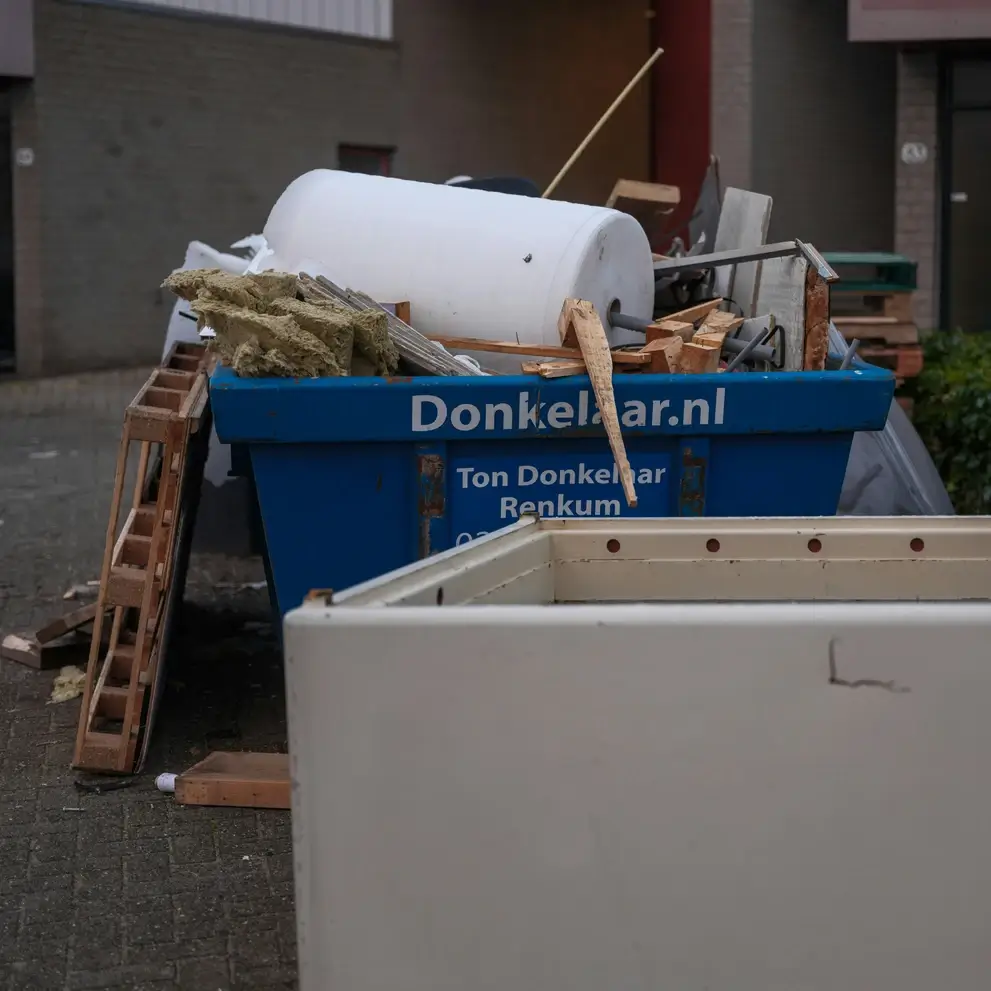
Skip hire in Plaistow is a practical way to manage bulky waste, mixed renovation debris and everyday clear-outs when you want materials collected in one organised load. We provide straightforward skip hire options for homes, landlords, trades and businesses that need a simple route for disposal. The service is suited to projects that create repeated waste over several days as well as one-off jobs that are easier to handle with a dedicated container on site.
Our approach centres on clear sizing, sensible placement and waste streams that are suitable for skips. That can include general household rubbish, construction offcuts, garden material and heavier inert waste, provided the load stays within accepted limits. If you are unsure what belongs in a skip, the guidance on what can and cannot be loaded should be checked before booking so the collection runs smoothly and the right container is chosen first time.
For some jobs, the most efficient option is a standard skip that stays with you until it is ready to be collected. For others, a skip hire service gives better control over waste on a busy property, because items can be added gradually rather than left in piles. Skip sizes and prices help customers compare the practical differences between container sizes and understand the main factors that influence cost.
Choosing the right skip for the job
The right skip is usually the one that matches both the volume and the weight of the waste. Smaller containers are often suitable for room clearances, light garden jobs and minor decorating waste, while larger skips are more appropriate where heavy rubble, timber and mixed building waste accumulate over several days. Choosing carefully matters because an undersized skip can be filled too quickly, while an oversized one may take up more space than you need.
We can help customers think through the main practical details without turning the process into guesswork. The key points are the type of waste, how quickly it will be generated, the room available for placement and whether the load is likely to contain heavier materials. For example, a job with mostly green waste behaves very differently from a strip-out that includes plasterboard, broken fixtures and packaging from new fittings. If access is tight, another route may be more suitable.
The most useful way to prepare is to have a clear picture of the work area and the likely waste mix. Photographs, rough measurements and a brief description can make it easier to narrow down the options, especially when the job includes mixed materials or awkward access. If you already know the kind of project you are planning, you can move more quickly to the most appropriate container size and collection method. Book online when you are ready to proceed.
Domestic skip hire for household projects

Domestic skip hire is a sensible choice for household jobs that produce more waste than a normal bin collection can handle. That may include decluttering, bathroom refits, kitchen changes, general renovation leftovers and accumulated items from rooms, lofts or garages. A skip keeps everything in one place and avoids repeated trips to disposal points, which can be helpful when the waste is awkward to transport or too bulky for standard sacks and boxes.
Homes often generate mixed waste, so the arrangement needs to stay orderly. Furniture parts, packaging, broken fittings, old flooring and light rubble may all end up in the same container, but restricted items still need separate handling. That is why a clear conversation about the load matters before the skip is delivered. If the project involves appliances or specialist items, another service may be more suitable than general skip loading.
Where household waste builds up across several days, a skip can reduce clutter and give you a defined endpoint for the job. That is particularly useful for room-by-room clearing, pre-sale decluttering or the early stages of a wider home improvement project. If you want to compare the available domestic options with other forms of collection, domestic skip hire explains the main purpose of this service. For items that should not go into a skip, rubbish removal may be a better fit.
Building and renovation waste
Construction, refurbishment and repair work can produce dense, repetitive waste that is easier to manage with a dedicated container. Offcuts, packaging, broken fixtures, timber, soil, tiles and mixed renovation debris all add up quickly when trades are active on site. A skip provides a central place for waste during the job and helps keep working areas more orderly, which is useful where access, storage and safety all need to be considered together.
Builders waste usually needs a more structured approach than a general household clearance, especially when the load contains heavy or sharp materials. Planning the right skip in advance can reduce the risk of overfilling and make disposal more efficient as the project progresses. If the work involves demolition, structural stripping or repeated loading from a contractor team, the size and collection timing become especially important.
For trade users, the most relevant choice is often the service that best matches the waste pattern. builders skip hire is designed for the needs of active building work, while construction waste clearance is useful when the materials need to be removed as the site is cleared. For jobs that generate spoil and excavation debris, muck away services can provide a more suitable disposal route.
Demolition, strip-out and site work
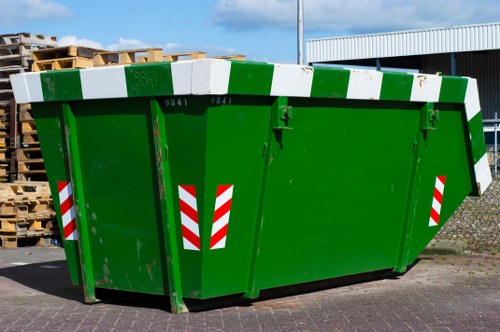
Demolition and strip-out work often produce awkward mixed waste streams that are best handled with a proper plan. Old fixtures, fittings, timber, plaster, broken masonry and packaging may be generated in stages rather than all at once, so the waste solution needs to cope with changing volumes. A skip can support that process when the materials are suitable and access allows safe loading.
Some projects are better served by targeted waste removal rather than a standard container alone. demolition waste removal is relevant where the job produces substantial broken material, while site clearance suits broader clean-up work after the main activity has been completed. Where the waste is mostly associated with a commercial premises or office refurbishment, the corresponding service can be more appropriate than a general domestic arrangement.
When a site is active, clarity matters more than language. It helps to know whether the waste is mostly inert, mixed, lightweight or bulky, and whether it will be loaded from ground level or from a tighter internal access point. That allows the right disposal route to be chosen before the work becomes harder to manage. If the waste profile is uncertain, a brief description of the job and the materials involved is usually enough to begin. The construction waste disposal page sets out the broader disposal approach for this type of work.
Garden, garage and loft clearance
Garden and storage clear-outs often create waste that is bulky but fairly predictable, which makes a skip a practical option. Branches, hedge cuttings, turf, broken furniture, old shed contents, boxing, fabrics and unwanted household items can all accumulate quickly when several spaces are tackled at once. A skip is especially useful where you want to sort materials in stages and keep the site tidy while the work is underway.
Not all clearance jobs are the same, so it helps to distinguish between green waste, household waste and anything that may need separate treatment. Garden material may be lighter but more voluminous, while loft and garage clearances can include a mixture of dust, packaging, obsolete equipment and stored belongings. When the load is mixed, the best outcome usually comes from choosing a service that matches the dominant waste type rather than focusing only on size.
For dedicated outside work, garden waste removal is a useful option, especially where the main concern is green material rather than mixed rubbish. Inside storage areas, garage and loft clearance gives a clearer route for accumulated items, while house clearance suits larger domestic clearances that cover several rooms at once. The right choice depends on the waste itself, not just the amount.
Commercial and office waste
Businesses often need waste removed without disrupting daily activity, so the arrangement has to be simple and dependable in practice. Office clear-outs, retail storage refreshes and light commercial refurbishments can all create packaging, furniture, files, fixtures and mixed rubbish that need organised disposal. A skip can be appropriate where the waste can be placed safely and the collection timing fits the working pattern of the premises.
Commercial waste is often more varied than it first appears. Desks, shelving, broken fittings, cardboard, archive material and general refuse may come out together, but some items require more careful handling than standard mixed waste. If the job includes confidential papers or specialist equipment, it is better to select a service built around that need rather than assuming everything can be loaded in the same way.
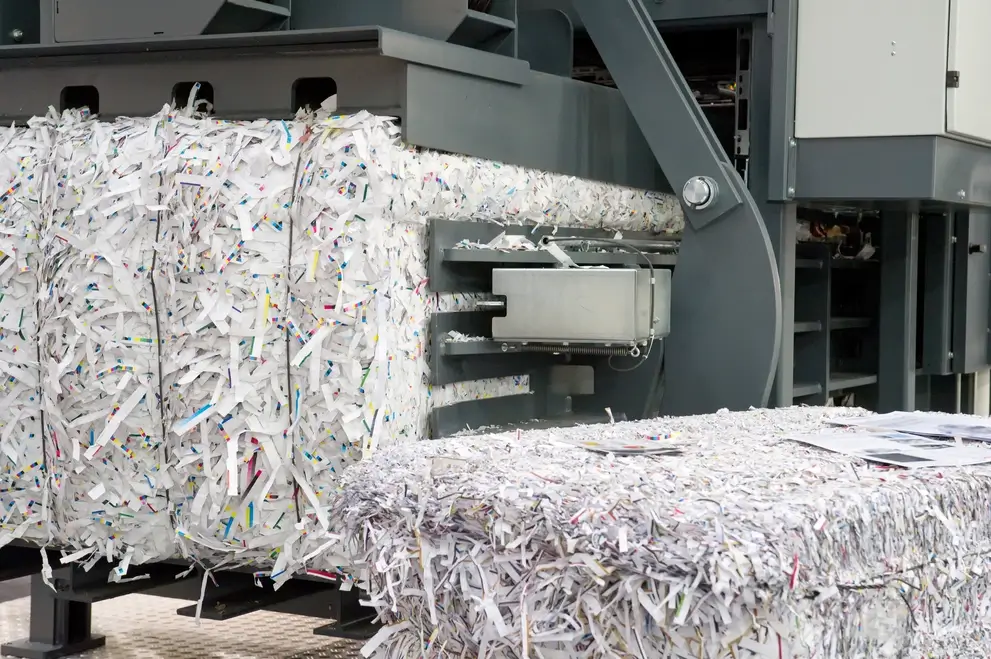
Where the work is focused on workplace contents, office clearance can provide a more suitable path than general skip hire. For larger business sites or ongoing projects, commercial skip hire is designed around workplace requirements, while wait and load skip hire may be preferable where keeping a skip on the premises is not practical. If sensitive paper is involved, confidential shredding should be considered separately.
Access, permits and practical placement
Skip hire is not only about the waste itself; access and placement can shape the best arrangement just as much. Some properties have room for a skip on a drive or inside a yard, while others need a road position or an alternative collection method. A good plan considers where the container will sit, how waste will be loaded and whether there are any restrictions that affect delivery or collection.
If the skip needs to be placed on a public road, permit requirements may apply. In that case, it is important to check the relevant rules in advance rather than leaving the question until the day of delivery. Where access is limited, the most suitable choice may be a smaller skip, a timed collection method or a service that removes waste directly from the property. These decisions save time and reduce the risk of avoidable changes later on.
For customers who need more guidance on the rules, skip permits is the most relevant page, while skip hire permits gives a more service-focused route to the same practical question. If the available space is limited or the street layout makes a stationary container awkward, same-day skip hire may be useful where the waste needs to be collected without lingering on site. The aim is to match the method to the location as closely as possible.
Waste types, recycling and restricted items

A well-managed skip hire service depends on understanding what can be loaded and what must stay out. Most projects create a mix of recyclable and non-recyclable waste, and the way that material is sorted has a direct effect on disposal. Timber, metals, rubble, cardboard and some plastics may be handled differently from general rubbish, so loading decisions matter even before collection takes place.
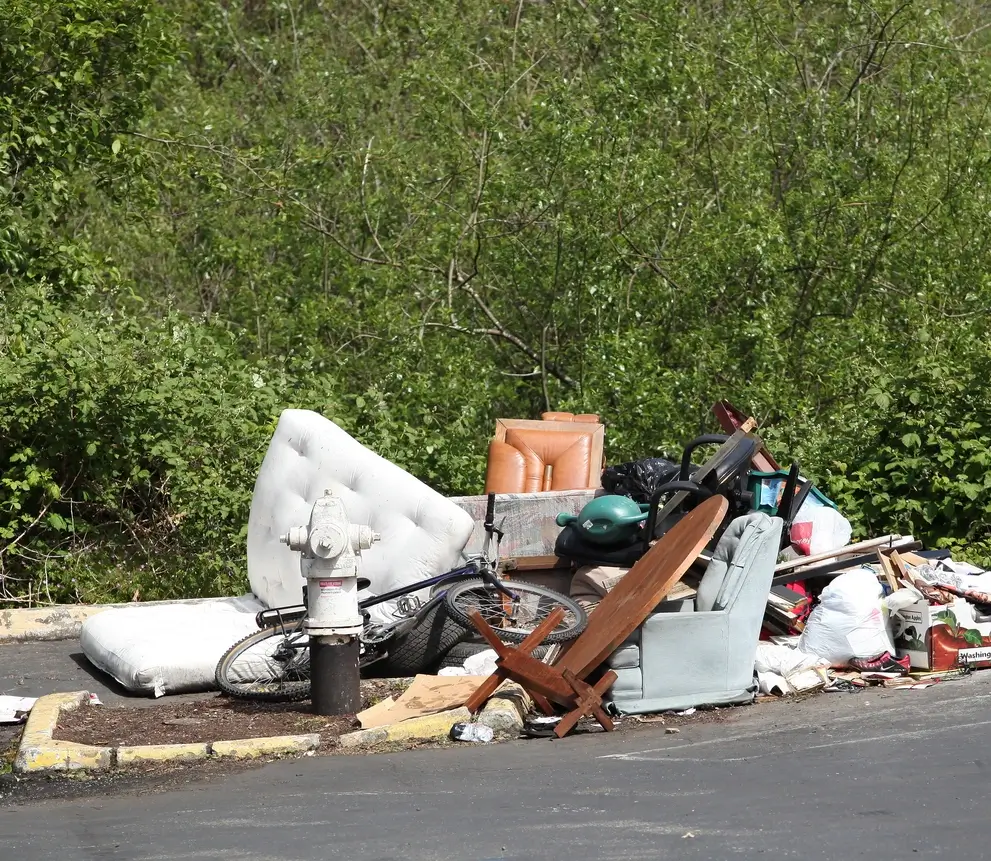
Some items require separate arrangements because they are unsuitable for standard skip disposal or need specialist handling. Appliances, mattresses, sofas, fridges and hazardous materials are typical examples of items that may fall outside a normal mixed load. It is better to identify these in advance so the main skip can be used properly and additional services can be arranged for restricted waste where needed.
To understand the boundaries more clearly, what can go in a skip is the most practical page to review before loading begins. Where recycling is a priority, waste recycling services and recycling and sustainability explain the broader disposal approach. For particular items, fridge and appliance removal and mattress and sofa disposal are more suitable than trying to force those items into a general container.
About Plaistow
Plaistow is a district in the London Borough of Newham, in east London, with a landscape shaped by long-running urban change and the character of nearby transport corridors. Historically part of Essex, it developed from a rural settlement into a more densely built area as London expanded eastward in the nineteenth and twentieth centuries. The area is closely associated with the wider sweep of the Lower Lea Valley, and its streets reflect the layering of older residential patterns, post-war rebuilding and later infill development. This mix gives Plaistow a varied townscape rather than a single architectural style, with terraced housing, local shops and community buildings appearing alongside larger modern interventions. The district sits near some of east London’s most recognisable green and civic spaces, including West Ham Park to the west and the wider network of parks and routes that connect into Newham. Plaistow itself is known for its local character and its position between Stratford, West Ham and Upton Park, which places it within a busy urban part of the capital with strong historical ties to industry, migration and municipal housing growth. The area’s streets and landmarks show how the district has adapted over time, moving from older village origins to a fully integrated urban neighbourhood. Its setting within Newham also means it sits close to major roads, rail links and the Thames-side geography of east London, all of which have influenced how the district has grown and changed.
Pricing factors and quotation details
Skip pricing is usually shaped by a small number of practical factors rather than a single fixed rule. The size of the container, the type of waste, the loading period and the need for any access arrangements all play a part. Heavy materials can affect what is appropriate, and mixed loads may need more careful assessment than a straightforward light clearance. That is why a clear description of the job matters at the quotation stage.
It also helps to think about whether the project is likely to be completed in one burst or spread over several days. If the waste will be generated gradually, a container can support the work more easily. If the job is tightly timed or the property has restrictions, the cost and convenience balance may favour another arrangement. One well-matched option is usually better than two uncertain ones, especially where access is limited or the waste type is unusual.
If you are comparing options, pricing and quotes is the right place to start, and book online is available when you are ready to request the next step. A short outline of the work, the waste type and the location is often enough to begin a sensible conversation. If you want to keep things simple, just send the essentials and ask for the most suitable route.
How to prepare a booking
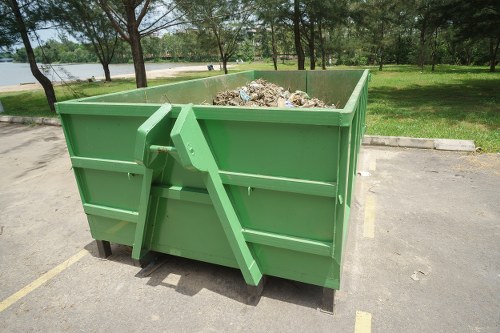
A clear booking process starts with the basics: what the waste is, how much there is and where it will be collected from. That information helps to identify the likely container size and whether a standard delivery is suitable. It is also useful to think about access from the road, any steps or narrow passages, and whether the load will include heavy items that may need special consideration.
- Describe the main waste type and any mixed materials.
- Note the approximate volume and how quickly it will be generated.
- Check whether access is straightforward or restricted.
- Flag any items that may need separate disposal.
Once those details are clear, it becomes much easier to choose the right service path and avoid unnecessary changes later. If you are ready to move ahead, use the most relevant page above or simply request a quotation today. For a more direct starting point, contact us and tell us what needs removing.